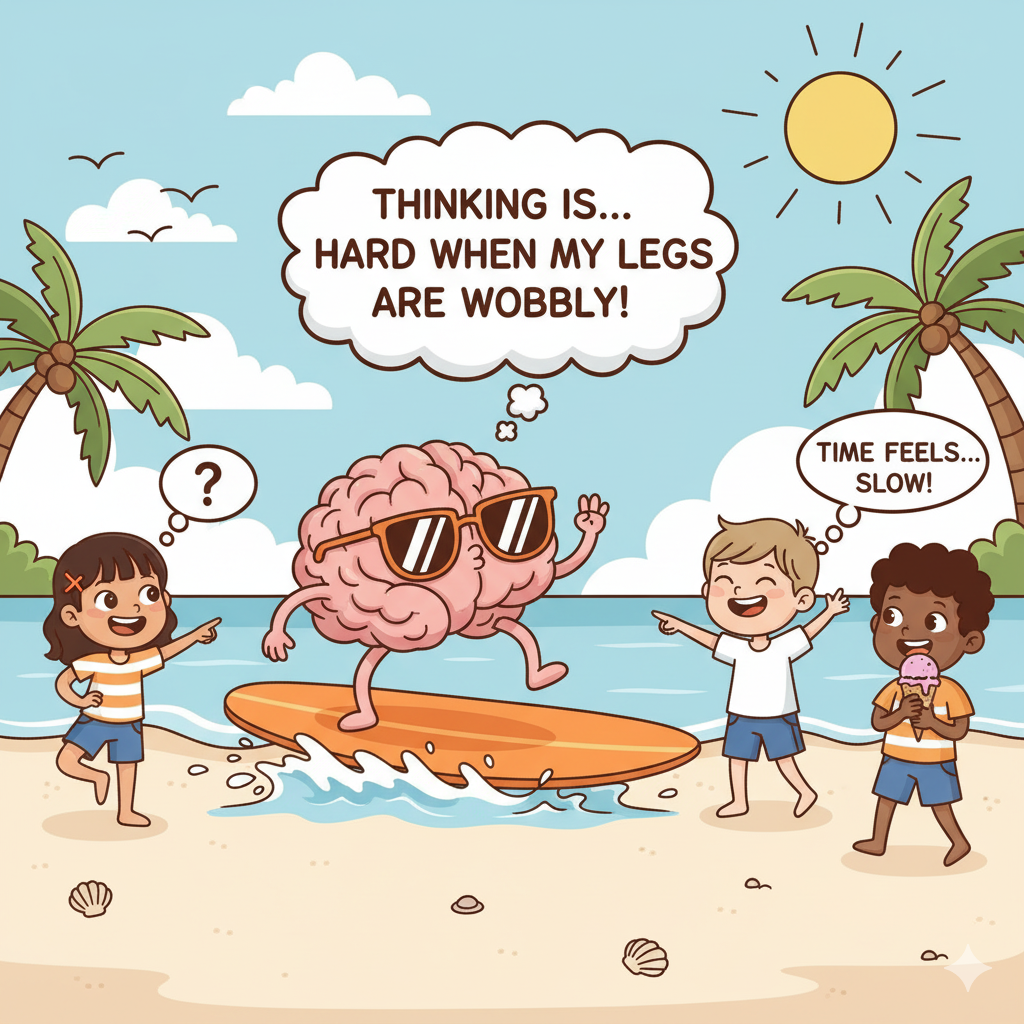
Our lab investigates the cognitive and sensorimotor underpinnings of human language processing, viewing language not as an abstract, modular system, but as an embodied, adaptive capacity deeply integrated with our perception and action systems.
Our overarching research goals are to model and understand:
Embodied Comprehension: How the systems we use for perceiving and acting in the world shape our ability to understand language (e.g., the Action-Sentence Compatibility Effect).
Adaptive Production and Alignment: How implicit learning and experience drive speaker choices, leading to structural and conceptual alignment between dialogue partners. We study how experience dictates the patterns of language we produce.
The Nexus of Language, Action, and Learning: We use behavioral studies and cognitive modeling to reveal how linguistic knowledge, sensorimotor experiences, and learning processes (both statistical and explicit) collectively shape language use across the lifespan.
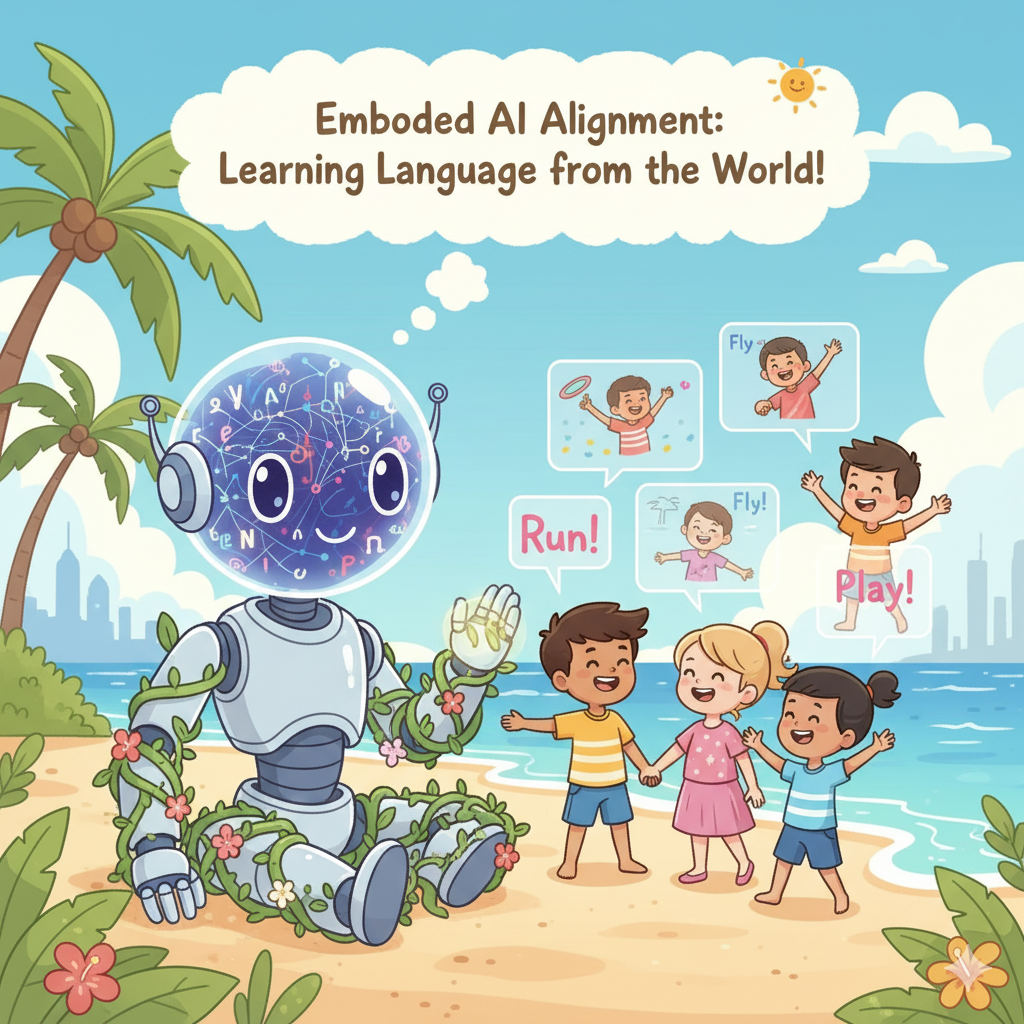
The principles governing how human language users achieve alignment and coordination are directly relevant to the current challenges in large-scale machine learning systems. Our findings on how linguistic patterns are implicitly learned, adapted, and constrained by physical interaction provide critical insights into:
Grounding AI Language: Exploring how computational models of language (like LLMs) are grounded in real-world actions, perception, and intentions, preventing purely abstract or uninterpretable linguistic behaviors.
AI Alignment: Informing the design of systems that can achieve reliable, natural, and context-dependent alignment with human goals and linguistic expectations, promoting safer and more effective human-AI interaction.